Travel Guide
Is São Tomé and Príncipe Safe in 2026? Travel Advice
Current advice on crime, health, roads, solo travel and emergency planning.
By Jack Fitzgerald · British resident living in São Tomé
Reviewed and updated: 31 August 2026
São Tomé and Príncipe is generally safe for visitors, and serious crime involving tourists is uncommon. I live on São Tomé, and most visitors experience no security problems when they take ordinary precautions.
The risks travellers should prepare for are road accidents, malaria, limited medical care, ocean conditions and weak emergency services.
What visitors should actually worry about
Most visitors ask about crime first. In practice, the more important concerns are limited medical care, poor roads, unreliable infrastructure and being unprepared when something goes wrong.
Serious crime affecting tourists is uncommon, but burglaries and robberies can happen. Protect your belongings, avoid unnecessary risks after dark and plan properly for medical problems and transport.
Crime: what visitors should know
Serious crime involving visitors is uncommon. The most likely problem is opportunistic theft, particularly when belongings are left unattended.
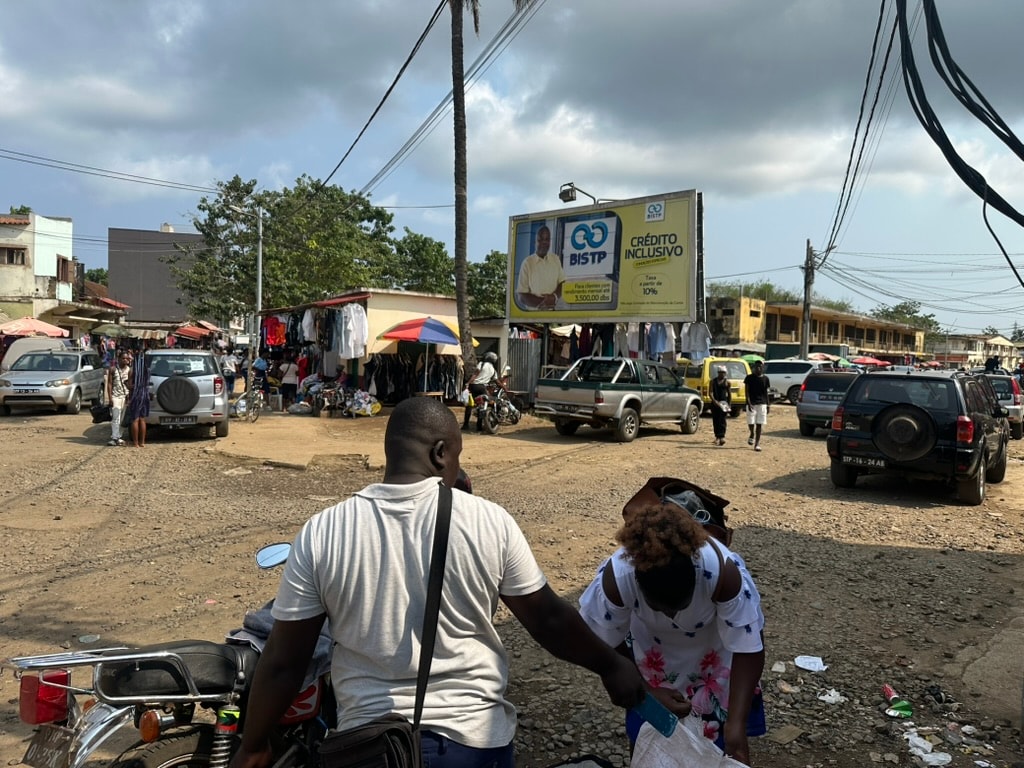
You do not need to spend your trip worrying about being mugged, but you do need to watch your bags and valuables. Do not leave belongings unattended on the beach while you swim, especially at places such as Praia Piscina or Porto Alegre.
Keep your belongings close in central markets and other busy areas. If your accommodation has a safe, use it for your passport, spare cash, and important documents.
If you are robbed, do not resist. Report it, but remember that the police are friendly rather than well equipped. They may not always have vehicles, radios, or the ability to respond quickly.
Health: the most important risk
Health infrastructure is the most important safety issue for visitors.
The biggest risk is usually not crime. It is becoming seriously ill or injured somewhere with limited medical facilities.
You should travel with insurance that includes international medical evacuation. Serious injuries, severe infections, major trauma, cardiac problems, strokes, and conditions requiring advanced surgery may need treatment outside the country.
Malaria and dengue are present. Speak to a travel health clinic before you come, take malaria prevention seriously, and use strong mosquito repellent, especially around sunrise and sunset.
Do not drink tap water. Use bottled or treated water, including for brushing your teeth. Avoid ice and raw food unless you are confident it was prepared safely.
Bring the medication you need, plus extra in case of delays. Local pharmacies are often short of stock, and medicines sold informally may be badly stored or out of date.
Road safety
Roads are one of the biggest risks in São Tomé and Príncipe.
Avoid driving at night if you can. Roads can have large potholes, poor lighting, pedestrians, animals, broken edges, and damaged pavements. Even walking needs attention in some places.
Moto-taxis are common and cheap, but they are involved in many accidents. Avoid them if possible, especially at night or outside town.
Fuel shortages can happen. If you rent a car, keep the tank topped up and do not wait until you are nearly empty before looking for fuel.
Drink-driving rules exist, but enforcement is limited. Be especially careful on the roads in the evening.
Solo travel, women, and local attention
São Tomé and Príncipe is generally safe for solo travellers, including women, but it helps to understand the social dynamic.
Some visitors may receive persistent romantic or sexual attention. Be clear and firm if you are not interested. Ignoring persistent attention often works better than trying to be overly polite.
Do not share your home address, accommodation details, or private social media with people you do not trust.
If you become sexually involved with someone, use protection and do not assume exclusivity.
Money and scams
Cash is essential in São Tomé and Príncipe.
Do not rely completely on ATMs. Bring enough money for your trip, preferably in euros, and bring smaller notes where possible. Large notes can be difficult to change outside the capital.
Agree transport prices before getting into a taxi or moto. Many overcharging problems happen because the price was not agreed first.
Be careful with street guides offering very cheap tours. Some prices rise later through extra charges, pressure, or unclear arrangements.
Do not photograph the airport, military personnel, or government buildings. You can be stopped, questioned, or have equipment confiscated.
Culture and respect
São Tomé and Príncipe is relaxed, but respect still matters.
In small villages, churches, and more traditional settings, cover your shoulders and knees. It is a simple gesture and is usually appreciated.
"Leve leve" means slowly, slowly. It is part of the local pace of life. Getting angry about delays or slow service will not help and usually makes things harder.
The ocean and jungle
The beaches are beautiful, but many have no lifeguards.
Rip currents can be dangerous even when the sea looks calm. If you see a channel of rougher, darker, or discoloured water moving out to sea, stay out.
Do not hike in the forest without a guide. Mobile signal can disappear quickly, and there is no reliable mountain rescue. If you get lost or injured, help may be many hours away.
Women-specific practicalities
Bring a full supply of the sanitary products you prefer.
Pads are easier to find than tampons, but even basic supplies can be affected by shortages. Do not assume you will be able to buy exactly what you need locally.
Official travel advice
These are my observations from living on São Tomé. Government travel advice can change; check the guidance issued for your nationality before travelling, particularly where it may affect insurance.
Related Guides
Quick Facts
All Travel Guides
Ready to book?
Browse tours, hire a car, or ask us to help plan your itinerary.