The Capital
Restaurants and Local Life
Your essential guide to the capital. Where to eat, drink, and explore the city.
By Jack Fitzgerald — British resident living on São Tomé · Updated 31 August 2026
Welcome to São Tomé city - the capital of São Tomé and Príncipe, known in French as São Tomé ville. This guide is written by someone who walks these streets, eats (when he can afford it) in these restaurants, and knows the true reality of the city's infrastructure. If you want honest local advice on tourist attractions, things to do, and where to eat in the capital, this is all you need.
Colonial Heritage
São Tomé City: Tourist Attractions and Colonial Heritage
São Tomé city centre is filled with colonial architecture that whispers stories of the past. As one of Africa's oldest colonial settlements, the city is an impressive example of 19th-century Portuguese design, creating a captivating old-world atmosphere throughout the centre.
Architectural features
Old colonial buildings with rounded balconies and high arched windows. Many have been carefully restored and painted in bright, vibrant colours while maintaining their original, historical character.
The reality of the streets
While a couple of isolated areas still feature original cobblestones, the reality of the streets you will encounter is often potholes stitched together with tarmac.
A living history
These historical structures aren't just for show. They now house local offices, shops, pharmacies, and bakeries. Street vendors set up outside them, adding authentic local flavour to the colonial setting.
Major Historical Sites
Major Historical Sites in São Tomé Capital
Presidential Palace
The Presidential Palace (Palácio Presidencial or Palácio do Povo) is an impressive example of 19th-century colonial architecture and one of the most important landmarks in the city. Built as the residence for the Portuguese Governor, it now serves as the official residence of the President.
While it is acceptable to stand outside the building, photography is strictly prohibited by the guards. There are no signs, but you'll see guards inside the grounds or standing outside. Avoid taking pictures from outside, certainly never through the railings, and never of the guards. You won't get arrested as such, but they'll get a little 'shouty'. The same applies for the ruined tank nearby. If you take one thing from this guide, take this.
Cathedral of Our Lady of Grace
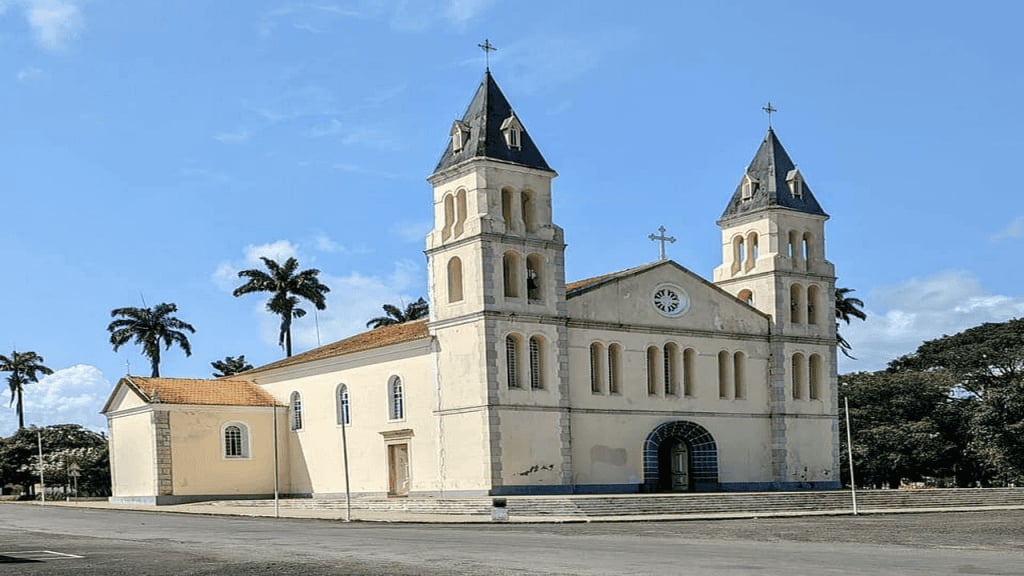
The Cathedral of Our Lady of Grace (Catedral de Nossa Senhora da Graça) is one of Africa's oldest cathedrals. Some claim it is the oldest, and although it has undergone significant change, it stands on the same site, so there is some validity to the claim. Originally built in the 16th century, it has been destroyed and rebuilt several times, with major reconstruction in the 19th century and again in the 1950s. The cathedral showcases beautiful Portuguese colonial architecture and remains the diocese's primary religious site, located prominently in the city centre.
This is a place of worship in a deeply Catholic country, and sensitivity is essential. While taking photographs from outside is accepted and welcomed, as is entering the cathedral respectfully to pray, walking inside to take selfies and treating the interior as a tourist attraction (as one may at St Paul's Cathedral in London) should be avoided. Nobody would say anything, but locals would consider it inappropriate.
Guided Experience
São Tomé City Walking Tour: Colonial Architecture and Local Life
Navigating the potholes and the unwritten security rules (like where not to take photos) can be daunting for a first-time visitor. We offer professional walking tours that take you deep into the heart of the capital.
Local Life
Markets and Local Life in São Tomé
The Central Side-Street Market (Mercado Novo)
If you have read another travel guide to São Tomé, it may refer to the Mercado Municipal or a large covered market. I can confirm that the old Municipal Market is permanently closed. This is a common piece of outdated information found in many travel guides, and it's common to see people standing outside with cameras looking confused. It's one of the reasons we update the site so regularly, and you can always contact us with any tiny question not covered here.
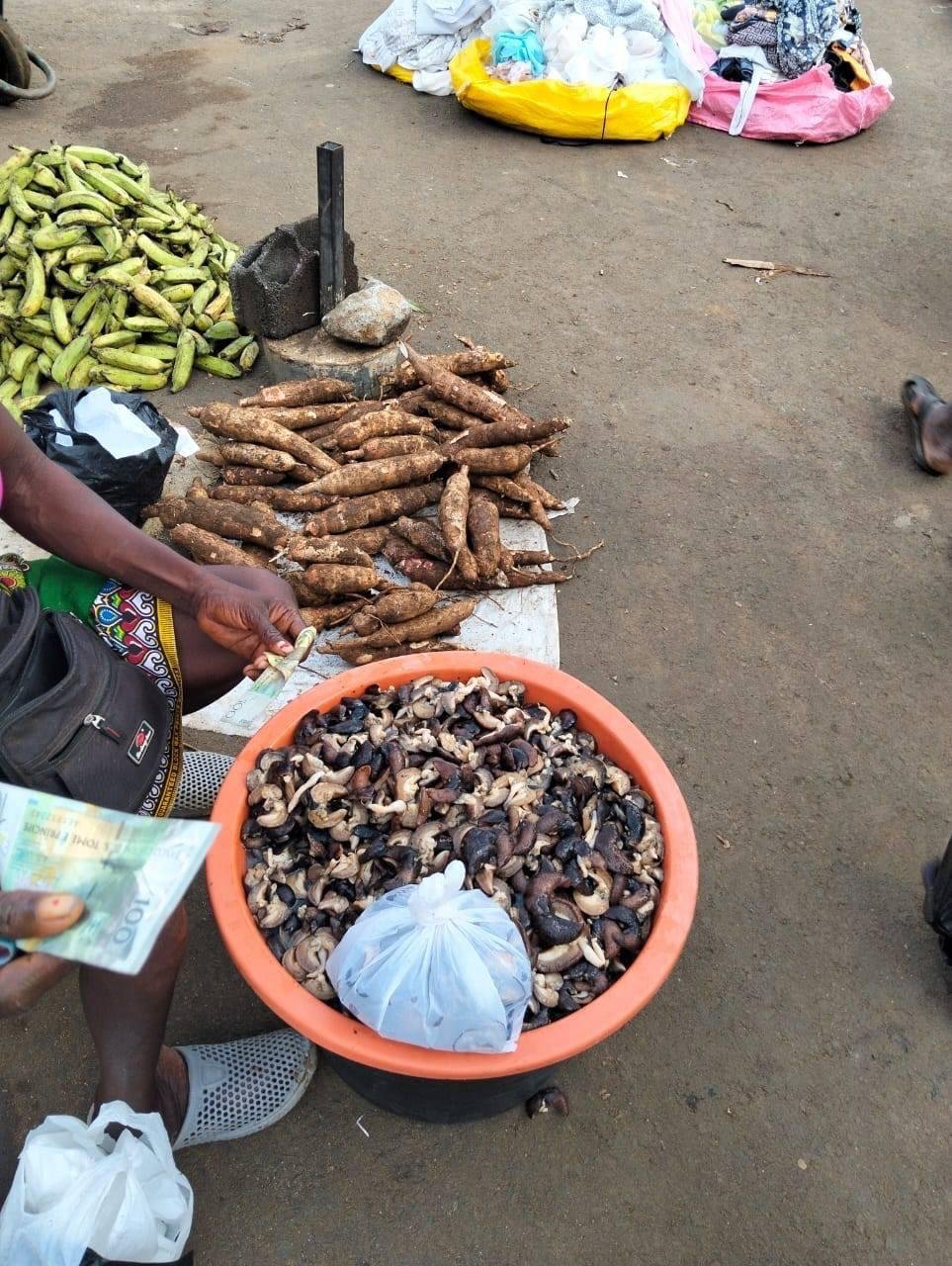
The genuine heart of commerce and daily life in the capital is now found in the side streets near the central square, close to the taxi ranks and the disused petrol station. This market is a chaotic, pulsing heart of commerce: vendors sell clothes (usually donated by Portuguese charities, which end up on the streets sold for profit rather than their intended purpose), second-hand goods, and local foods directly on the floor. This is where you can find essential local services, such as a quick haircut for around 30 Dobra or a beer for a similar low price.
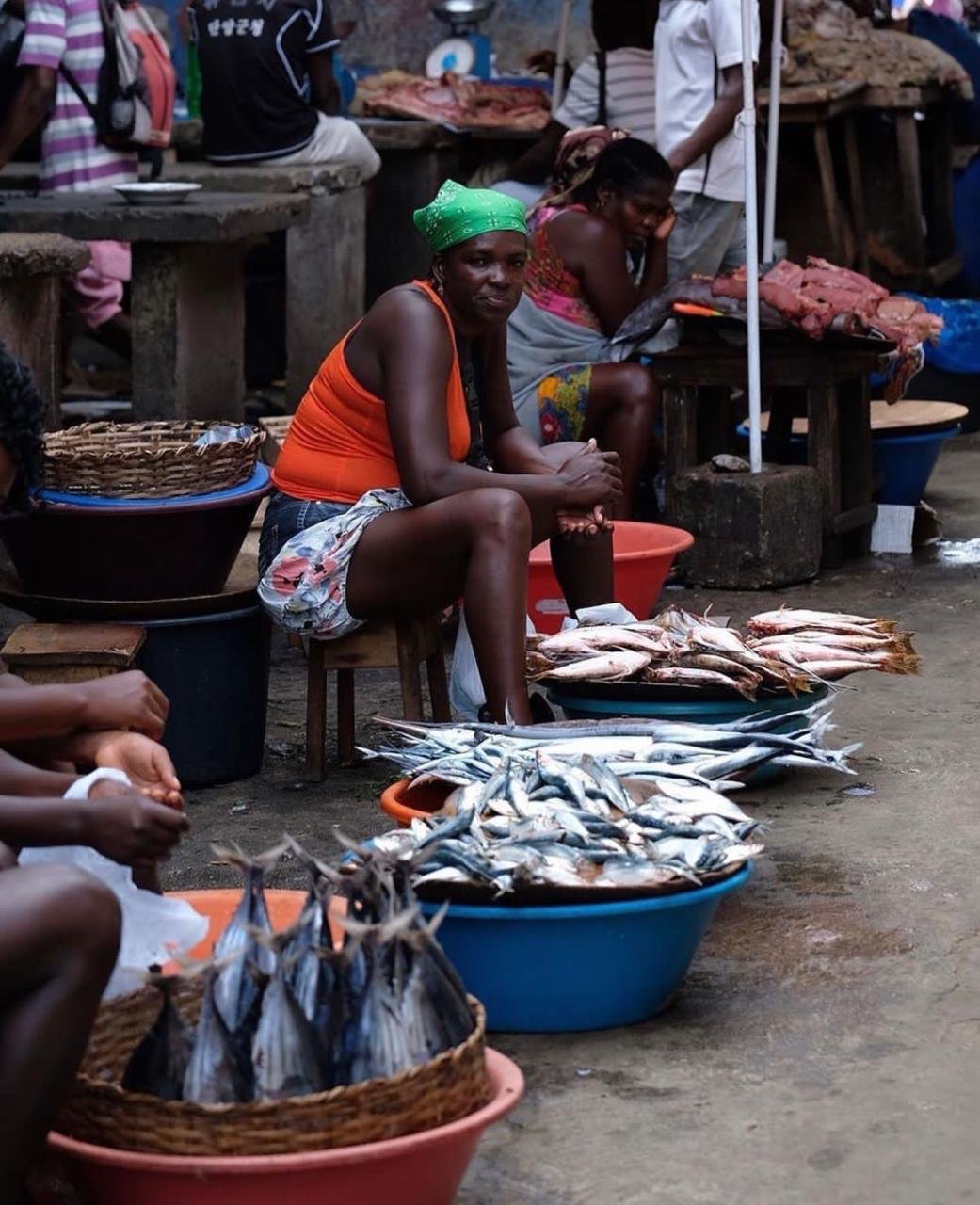
While you can buy local produce here, visitors are urged to exercise extreme caution regarding prepared food and meat. Food is often sold from the floor and may be covered in flies. Consuming meat or seafood from these uncontrolled stalls is generally not recommended for tourists. If you decide to try local street food, be prepared, and consider taking equal measures of loperamide to food consumed.
This authentic market environment is a cultural spectacle, but do not expect the hygiene standards of tourist-oriented venues.
Avoid black market pharmacies
Opposite the market, you'll find vendors hawking medicines from suitcases. Not only are these kept in the hot sun, which may well reduce their potency, but you have no idea if the products are real or safe. Avoid these vendors entirely and go to a registered pharmacy. The best one is near Diogo Vaz in town. Another trustworthy option is up the hill in San Antonio.
Whatever happens, do NOT take pictures of these vendors. While the sale itself is illegal (and the police turn a blind eye), using a phone near these vendors, perhaps to check the meaning or status of a medication, could be seen as informing authorities. This can lead to a lot of hassle. When writing this guide I was walking past, pulled out my phone to make a note to include this information, and was immediately accosted and asked to show any images. It was a friendly but, shall we say, persuasive approach. You're better off keeping your phone in your pocket.
People do smoke cannabis on the island. Though it's illegal, you may catch the scent of it as you wander around. Don't listen to local people who'll tell you that a little for personal use isn't a problem, they are probably interested in a quick sale. A chat with one of my university students who's a police officer confirms that a tourist caught with a little may have a lot of problems. Ignore what locals tell you and don't consume it.
Swimming and Sun
Beaches Near São Tomé City Centre
Praia PM (Museum Beach)
This beach is known locally as Praia PM or PM Beach. I've seen it referenced in older guides or 'authoritative sites' as Praia Lagarto or Praia Nazaré, but everyone knows it as PM. The beach sits conveniently next to the museum and the port, making it a great place for swimming and offering easy access from the city centre. Kids often somersault off the low walls into the water, and the beach is generally safe for a quick dip. Low tide does make swimming a little boring.
There is a reasonable roulotte (mobile vendor) opposite the beach entrance that often sells cold(ish) beer when they are not busy. Bins are located at the entrance to help keep the area clean.
Walking and etiquette tip
When walking back towards the city centre from the museum, stay on the left-hand side of the road. Do not walk past government buildings on the right, as the guards often get twitchy and may aggressively gesture for you to cross. If there is any ceremonial activity (changing the guard or flag raising, the timings are unpredictable and leve leve), stand still and watch respectfully. Do not walk past the activity.
Local warning
For hygiene reasons and privacy, do not walk behind Fort São Sebastião as this area is often used as a local lovers' lane, make-do changing area, and informal toilet.
Praia Emília
Praia Emília is the beach located directly in front of the Omali Hotel. It's reachable in about 15 minutes by moto. If you're walking from the city, instead of going up the hill at the end of the bay, keep straight on, walk through the supermarket carpark, past the nice little restaurant on your right, and the path leads along the bay through a lovely community. Crabs run away as you pass by, and it saves about 30 minutes, something you'll appreciate on a hot day.
On weekends, Praia Emília is often full of locals enjoying the sun and the sea, much to the subtle annoyance of the nearby hotel. If you are there and see any other tourists, and you found this guide helpful, drop them the link.
Food and Drink
Dining in São Tomé City
Supporting local restaurants provides a far richer experience than sticking to hotel dining. Whether you are looking for high-end local and European fusion at Sabor Divino or the legendary 'Stadium Chicken' served in a tin foil package, the city's food scene is a highlight of any visit. I have compiled my full, honest reviews of the city's best restaurants and street food stalls on a dedicated page.
Read my full, honest guide to São Tomé restaurants and dining.
São Tomé Bars and Nightlife
I live here, and as someone who knows exactly where to find the coldest National on the island, I can tell you that the city's night economy is unique. From the high-energy karaoke at Zima's to the dark, electric beats of the Kizomba nightclub and the local yard bars of San Antonio, the city transforms after dark, but only really gets busy on the weekends. You can find my complete guide to the city's bars and 'secret' community spots below.
Cultural Experiences
Cultural Experiences in São Tomé
Tchiloli Traditional Theatre
Tchiloli is São Tomé's most unique cultural tradition: a theatrical performance combining drama, dance, and music that has been performed for over 500 years. This remarkable art form tells the medieval Portuguese story of Charlemagne and the Marquis of Mantua, but enslaved Africans adapted it with local traditions, creating something completely unique to São Tomé.
Actors, all men, wear black frock coats decorated with multicoloured ribbons and sequins, bicorns (two-pointed hats), masks, and white gloves. Between scenes, they dance to music from orchestras of flutes and percussion instruments. The performance can last 6 to 8 hours in its full form, though shorter versions of 1 to 3 hours are performed during festivals.
Tchiloli groups, called 'Tragédias,' perform during major local festivals and religious celebrations. Finding a performance during your visit requires asking local guides or hotel staff about upcoming festivals, as there is no regular public schedule. This unique blend of European and African culture represents one of Africa's most important forms of cultural expression.
Before You Go
Practical Information for Visiting São Tomé City
Getting around
São Tomé is compact enough to explore the centre on foot. Be advised that streets outside the main roads, and frankly in the city too, are generally in poor condition, usually potholes stitched together by tarmac. It's not safe to wander around with your nose glued to a guide and not watching where your feet are going. For beaches and attractions outside town, you can hire taxis or check out our prices and rent a car.
Shared minibuses known locally as hiaces run to various parts of the island at low cost (typically around 40 to 80 Dobra per journey). There are no set timetables, they go when they're full, from outside Continental, a large Chinese-owned shop selling lots of things you didn't know you needed and frequently don't (not worth going in unless you need something specific).
Motos run from the central square. 20db is the going rate around town, maybe 30 if you're going to the museum or the top of the bay. Nights, expect to pay about 50db. There's only one helmet which belongs to the driver, fun, but you need to think of what to do in the event of an accident. They are very convenient.
Language
Portuguese is the official language. English is not commonly spoken outside major tourist hotels, and frequently not very well in them, so learning basic Portuguese phrases helps enormously. We'll be updating this page with some basic phrases with the island twist soon, so keep an eye open.
Currency
The São Tomé and Príncipe Dobra (STN). Check out my detailed money guidefor more information. Insider tip: in some older guides you'll sometimes see rates at x 10000, however these are out of date as we changed currency, and we will always have up-to-date prices with the real exchange. Euros are sometimes accepted, especially in high-end hotels, but Dobras are always the best bet. ATMs are available in São Tomé city, but bring cash (Euros or US Dollars) for markets and smaller establishments.
Down the road from Zima there are always a few guys sitting around on benches, you can't miss them. They will swap GBP or Euro for better than bank rates, 26 and 29 respectively. They're safe, I've never had a problem there, or heard of anyone who has, but if you need help get in touch, I'll wander into town and help. If you have an emergency, forget Western Union and the like, while they exist as a concept, I'm certain you would struggle. In an emergency get in touch with me.
Climate
São Tomé city has a tropical climate with high humidity year-round. The dry season (gravana) runs from June to September. We call the rain at that time of year 'flying-fish rain', tiny little drops that you barely feel. The gravana is the most popular time for visiting São Tomé.
Accommodation
Options range from budget guesthouses to luxury hotels like Pestana São Tomé and Omali São Tomé. The beach in front of the Omali Hotel is considered a city centre beach, reachable in about 15 minutes by bike, offering convenient access to the coast. Many other hotels are located along the coast near Praia PM, within easy reach of the city centre.
Safety
São Tomé city is considered one of the safest capital cities in Africa. Normal travel precautions apply, particularly regarding belongings in crowded areas like the central market side-streets. The city has a relaxed, laid-back atmosphere, but remain vigilant as you would in any major city.
Due to frequent power cuts, always carry a torch with you when walking outside at night. You may feel a little silly, but we are a little less style-conscious on the island, and we'd sooner wander around dark streets with a head torch than put a foot into a hole filled with broken bottles.
Closing thoughts
This guide covers the essential experiences, but the real magic lies in wandering the colonial streets, chatting with friendly locals, and discovering your own favourite spots in this enchanting African capital. São Tomé city offers a unique and unforgettable travel experience in the Gulf of Guinea, and now you have the local knowledge to navigate it like a resident.