Wildlife of the Islands
The Sea Turtles ofSão Tomé and Príncipe
Five species. Dozens of nesting beaches. One of the most important turtle habitats in the Gulf of Guinea.
Five of the World's Seven Species
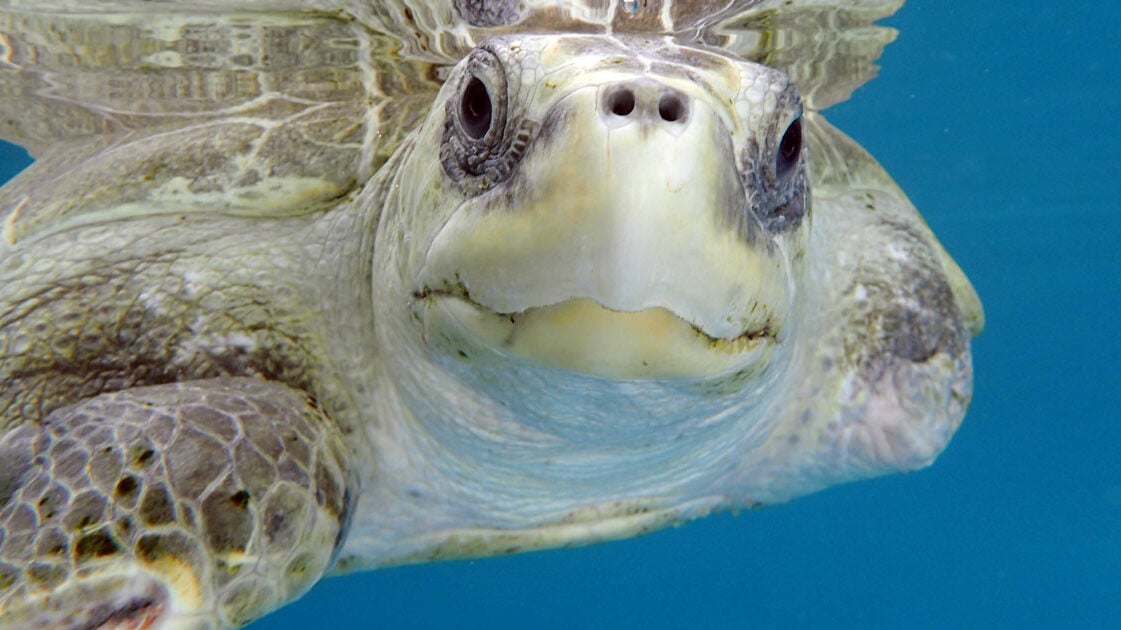
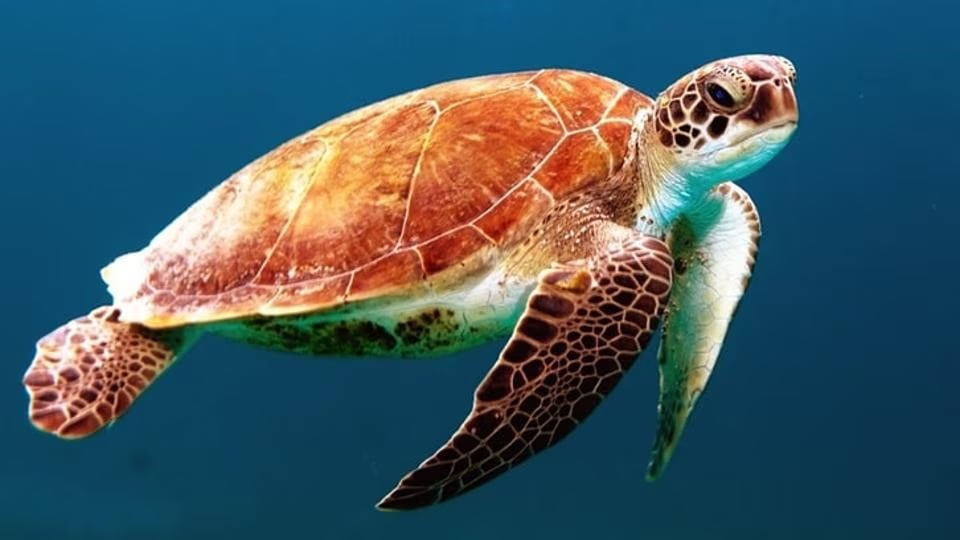
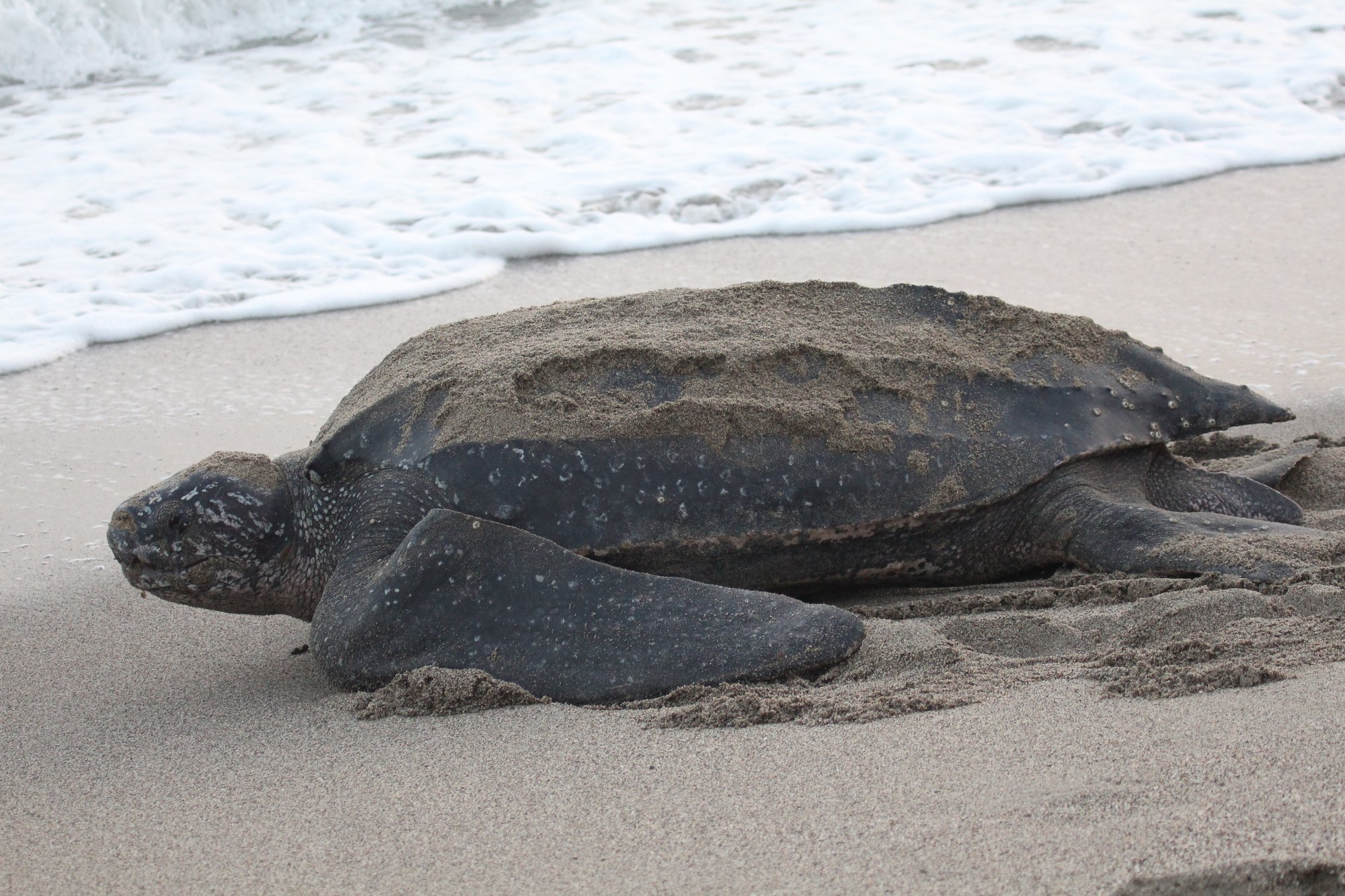
São Tomé and Príncipe harbour five of the seven sea turtle species that exist on Earth. The green turtle is the most common, nesting on virtually every sandy beach on both islands. The olive ridley is the second most numerous on São Tomé. The hawksbill, the leatherback, and the loggerhead complete the list, though the loggerhead is only occasionally seen at sea and does not nest regularly.
All five species are classified as threatened. The hawksbill is critically endangered, and the population nesting on these islands is one of the eleven most threatened sea turtle populations in the world. Genetic studies have shown that this population carries a unique haplotype found nowhere else, underlining both its isolation and its global importance. The green turtle population also shows unusually high genetic diversity, making these islands a significant genetic reservoir for the species in the region.
Where They Nest
Nesting season runs from October to May, coinciding with the rains. On São Tomé, green turtles nest mainly in the south, with Praia Jalé accounting for around 70 percent of all green turtle nesting on the island. Olive ridleys prefer the northern coast, where 90 percent of their nesting is concentrated between Praia Juventude and Praia das Conchas, near the fishing communities of Micoló, Fernão Dias, and Morro Peixe. The hawksbill nests most heavily on Rolas Islet at the southern tip of São Tomé, which holds around 60 percent of the species' nesting on the island and is a priority conservation site.
On Príncipe, green turtles favour Praia Grande do Norte in the north and Praia Infante in the south. Hawksbills use the same beaches. Leatherbacks nest in smaller numbers on both islands, preferring the southeastern beaches of São Tomé and the northern and eastern beaches of Príncipe. Most of the southern beaches on Príncipe are remote, with almost no human settlement, which gives nesting turtles relative safety.
Hunting, Shell Trade and Survival
Sea turtles have been exploited on these islands since the Portuguese arrived in the fifteenth century. Ships were restocked with turtle meat for transatlantic voyages. Hawksbill shells were sent to royal and noble families for jewellery. A tortoiseshell trade developed that persisted for centuries. In the 1990s, surveys identified 43 artisans on São Tomé and Príncipe still working with turtle shell, holding a combined stock of over 225 kilograms of raw scutes. Almost every turtle found on a beach or at sea was killed for its meat or shell.
Turtle meat was sold openly in local markets until as recently as 2016. Green turtle meat fetched the highest price. The shell trade has since been shut down. In 2002, with European Union funding, all remaining stocks of raw shell and finished products were bought from the artisans and donated to the national museum. National and international law now prohibit the trade entirely.
Programa Tatô and Fundação Príncipe
The two organisations leading sea turtle conservation on the islands are Programa Tatô on São Tomé and Fundação Príncipe on Príncipe. Programa Tatô grew out of early survey work in the 1990s and became an independent international NGO in 2018. It employs more than 80 people, 90 percent of them Santomean, including 51 rangers who monitor and protect 77 of the island's 107 nesting beaches. On Príncipe, Fundação Príncipe runs a team of around 62 people, including 32 rangers covering 36 of the island's 50 beaches.
Both programmes are built on the principle that conservation only works if local communities are at the centre of it. Around 60 percent of sea turtle nests on São Tomé are relocated to protected hatcheries to prevent predation by dogs, pigs, rats, and crabs. Former poachers have been recruited as rangers. In 2016, Programa Tatô began working with 17 women who had been trading turtle products at the main market in São Tomé, helping them transition to producing handicrafts, school uniforms, and reusable goods. The programme provides ongoing support to ensure the transition is permanent.
National law protecting sea turtles was passed in 2014, though enforcement remains a challenge. Príncipe's regional government had already passed its own protection law five years earlier. Penalties have been rare, but on Príncipe a social assistance programme requires violators to perform community service, including participation in conservation awareness activities.
Threats That Remain
Harvest levels have dropped considerably and nesting numbers appear to be increasing, but serious threats remain. Sand mining on nesting beaches continues despite a national ban, accelerating erosion and destroying habitat. Untreated sewage flows into the sea around urban areas. Plastic waste is increasingly found in the digestive tracts of stranded turtles, and fibropapillomatosis, a disease that causes tumours and is linked to degraded coastal environments, has been recorded in green turtles on Príncipe since 2009.
At sea, commercial fishing fleets operating in the Gulf of Guinea are known to capture turtles as bycatch, particularly olive ridleys and leatherbacks. Artisanal fishing with gillnets and longlines also takes a toll. Oil exploration in the region presents a growing risk. And as tourism development increases on both islands, construction along the coast, artificial lighting, and disturbance to nesting beaches will need careful management if the gains of the past two decades are not to be undone.
Sea Turtles and Visitors
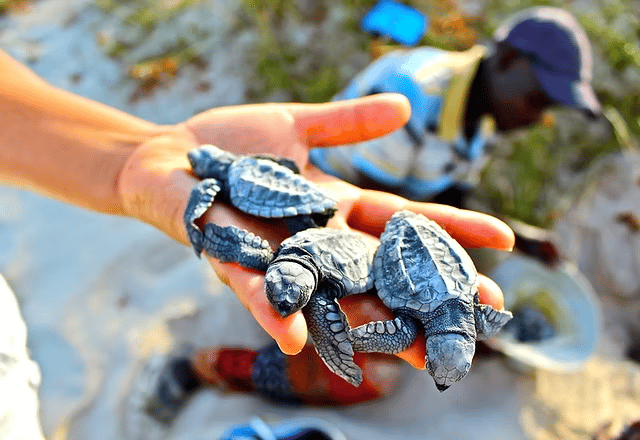
For visitors, the sea turtles of São Tomé and Príncipe are one of the most powerful wildlife experiences the islands offer. During nesting season, guided night visits to beaches like Praia Jalé on São Tomé give visitors the chance to watch green turtles come ashore to lay their eggs. Hatchling releases, managed through the hatchery programmes, are another way to see conservation in action. On Príncipe, the beaches of the north and south coasts offer similar encounters in a more remote, less visited setting.
What makes the experience different here is the context. These are not tourist attractions bolted on to a resort. They are active conservation programmes run largely by local people, funded by a patchwork of international donors and local commitment, protecting populations of global significance on beaches that most of the world has never heard of. Visiting them, and understanding what it takes to keep them going, is part of what makes these islands unlike anywhere else.
Explore More Wildlife
Discover the unique wildlife of São Tomé and Príncipe.