Destination
The AfricanGalápagos
Wild rainforest, rare island wildlife, and a quiet corner of West Africa still shaped by nature.
✦ Overview
What the Nickname Actually Means
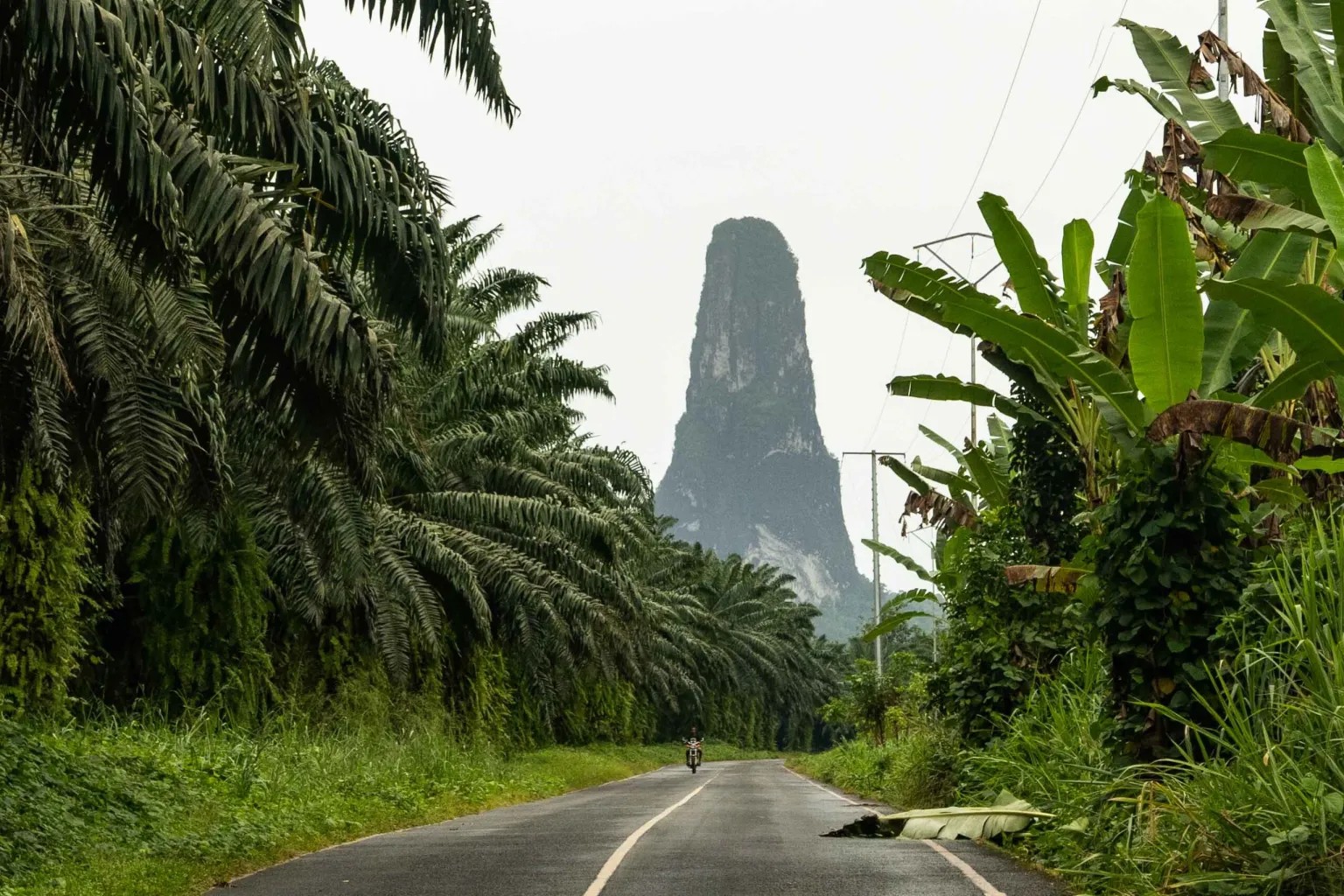
Visitors often hear São Tomé described as the African Galápagos, and once you arrive the comparison makes sense. These volcanic islands sit far off the mainland and have developed in isolation, with deep forest, steep cloud-wrapped peaks and wildlife found nowhere else. It is a small country, but for nature travellers it offers a rare combination: intact rainforest, low visitor numbers and a sense of genuine discovery.
This is not a resort destination. It is a place of muddy trails, bird calls at dawn, old cocoa plantations being slowly reclaimed by vegetation, and coastlines where turtles still nest in the dark. If you want beaches with crowds and polished nightlife, you will not find that here. If you want quiet, wildlife and landscapes that feel untouched, São Tomé belongs at the top of your list.
This guide explains what the African Galápagos nickname really means in practice. It looks at the island's geology and rainforest, introduces the key endemic species in plain language, sets honest expectations about hiking and access, and outlines how to experience São Tomé in a way that supports local people and protects fragile ecosystems.
Key information at a glance
✦ Geology and Isolation
Why São Tomé Earns the Nickname
São Tomé and its sister island Príncipe rose from volcanic activity in the Atlantic Ocean and were never linked to the African continent. Because of this isolation, many species here arrived naturally and evolved independently, creating a concentration of island-endemic birds, reptiles and amphibians.
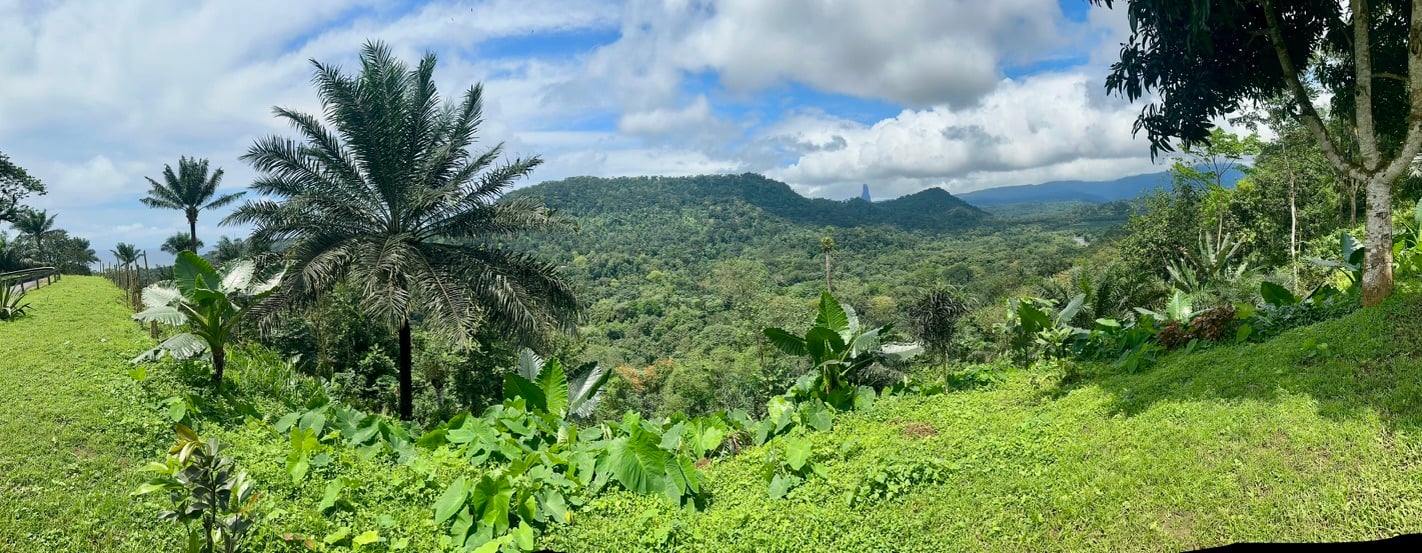
The rainforests are dense and atmospheric, especially in the central highlands where cloud and mist hang between the trees. Trails climb from lowland cocoa estates into cool interior forests alive with calls, movement and sudden open views over the Gulf of Guinea. For travellers, this mix of steep peaks, deep green valleys and quiet wildlife encounters gives the islands a distinctive identity that is very different from mainland West Africa.
✦ Endemic Wildlife
Endemic birds and birdwatching in São Tomé
Even casual visitors notice how distinctive the island birdlife is. For dedicated birdwatchers, São Tomé and Príncipe offer species that exist nowhere else on the planet.
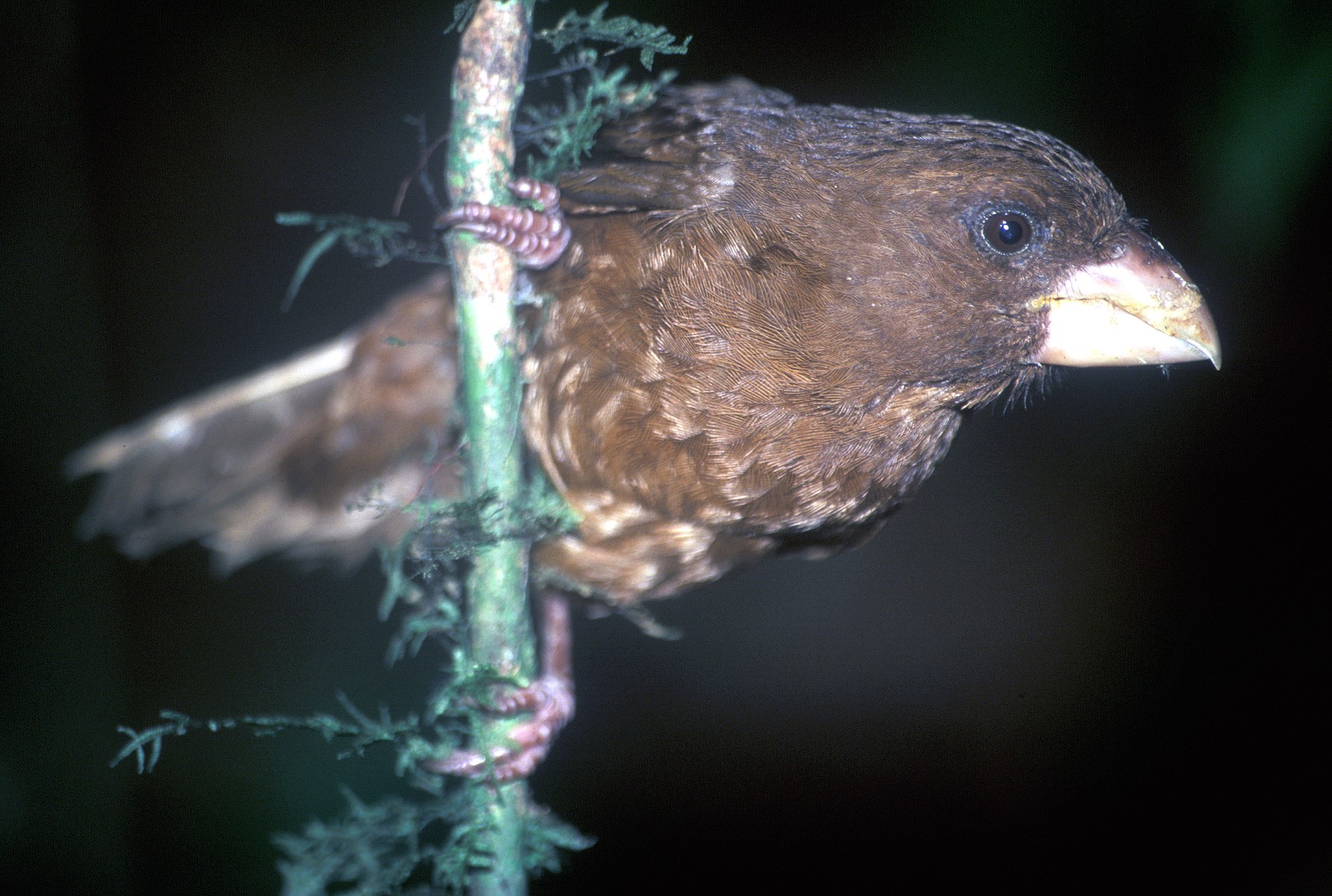
São Tomé Grosbeak
Critically EndangeredOne of the island's standout species, confirmed by researchers as the world's largest canary within its group. It is a forest bird with a very small population and is listed as Critically Endangered. Sightings are scarce and require patient hiking with local guides, but even knowing it exists hints at how unusual these forests are.
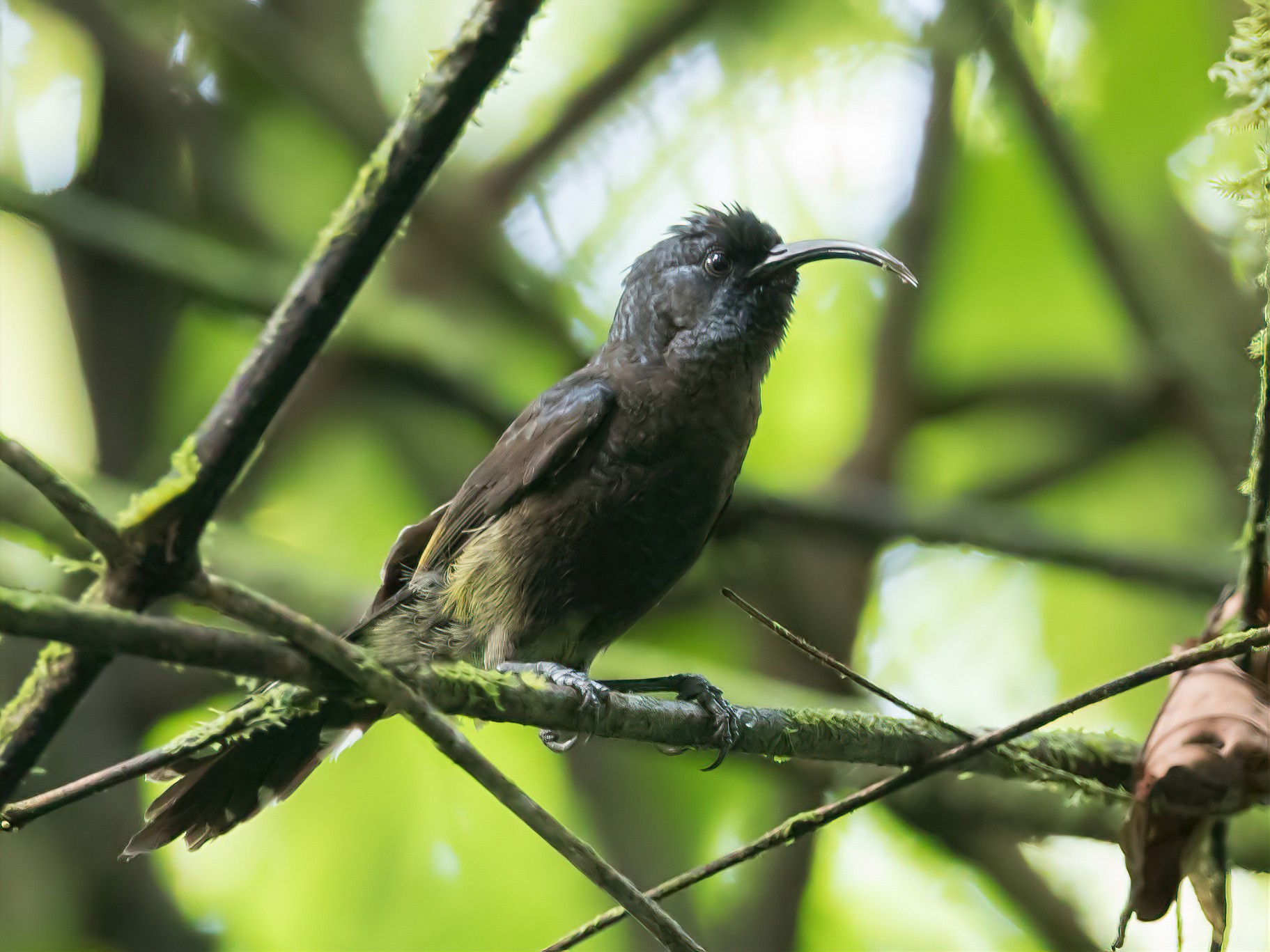
Giant Sunbird
EndemicA species found only on São Tomé. Its size and behaviour set it apart from typical sunbirds, and it is regularly searched for by visiting birders on interior forest trails.
São Tomé Ibis
Dwarf Olive Ibis
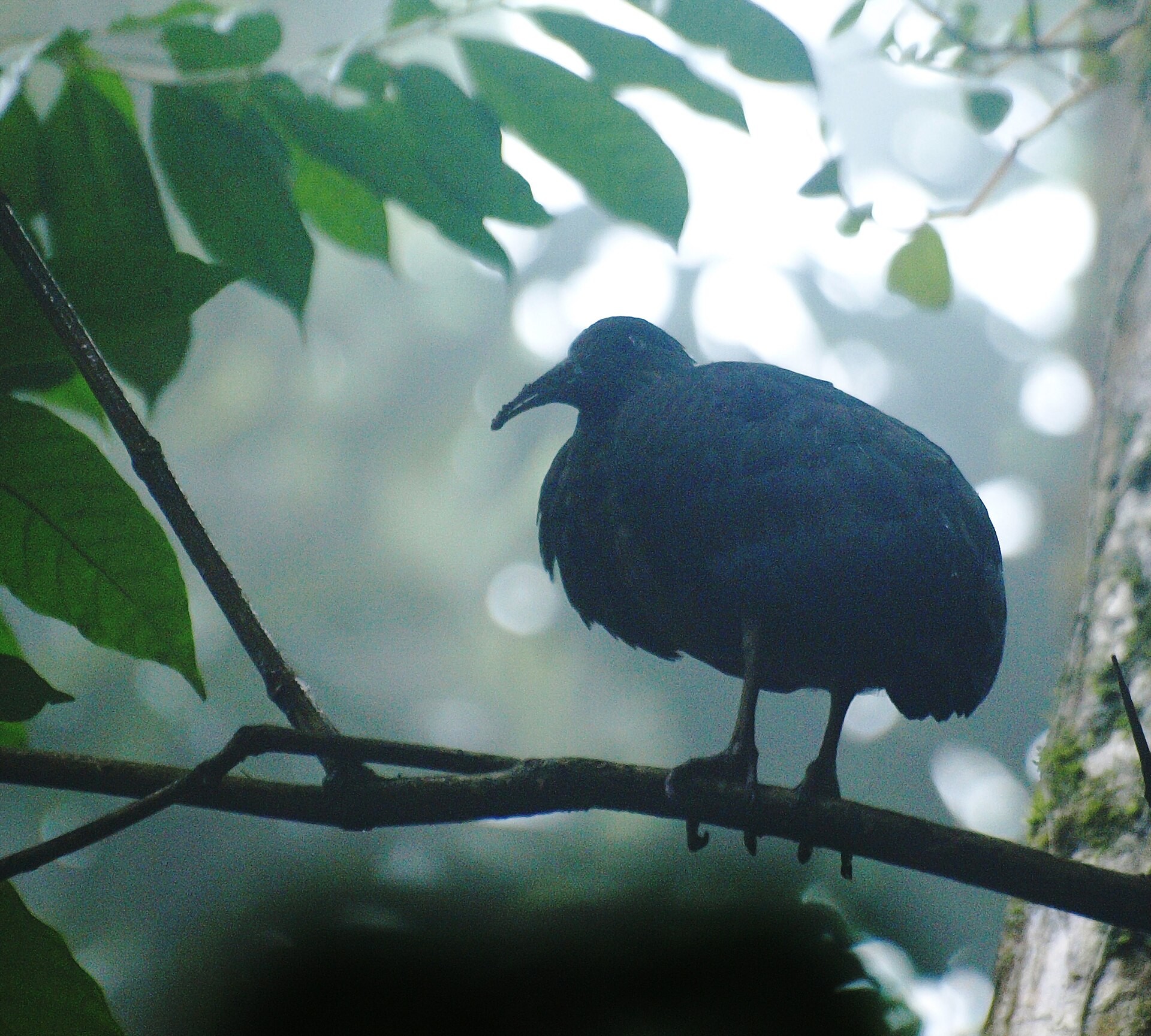
Critically EndangeredOne of the most threatened birds on the islands. Endemic to São Tomé with a very restricted range, it depends on healthy forests and is classified as Critically Endangered. Most sightings come from quiet, inaccessible valleys in the south.
Other birdlife
Beyond these headline species, São Tomé and Príncipe host a wider set of island endemics. Forest thrushes, sunbirds, small flycatchers and active mixed flocks moving through the canopy. Even without deep birding knowledge, the calls, shapes and colours create a strong sense of being somewhere separate and special.
Around the towns you will see black kites cruising over the neighbourhoods looking for a chance to scavenge, or for a chicken that has strayed too far from home in the morning. Gave me a little shock as I sat there with my morning coffee to see the hen I had been feeding toast crusts to for weeks disappearing into the sky.
✦ Forest Wildlife
Reptiles, amphibians and forest endemics
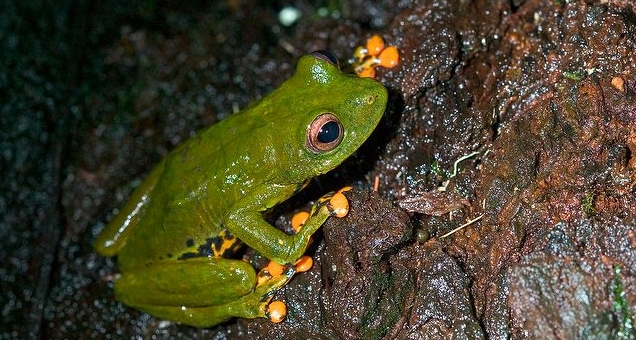
The forests also shelter distinctive reptiles and amphibians, including brightly coloured burrowing species and island tree frogs, alongside small lizards adapted to the damp, shaded understorey. Even short walks can reveal movement in the leaf litter, flashes of scales on tree trunks, and brief glimpses of animals vanishing into cover.
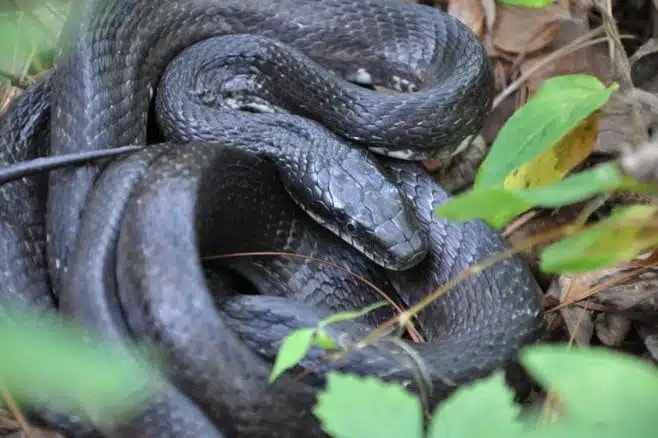
Among the island endemics: the São Tomé dwarf gecko, a tiny lizard that clings to trunks and branches, and the São Tomé forest skink, a smooth-bodied species that slips quickly through the undergrowth. There is also the São Tomé green snake, a slender tree-dwelling species closely tied to local vegetation, and the black São Tomé cobra, different from mainland cobras and sitting near the top of the island food chain. Many species are restricted to single valleys or altitude bands, which is what makes the islands such a rewarding destination for travellers interested in unusual ecology.
We fully support the work of the official São Tomé and Príncipe tourist board, and you can read more about flora and fauna here.
✦ Hiking
Rainforest hiking and viewpoints
Most travellers experience the islands' nature on foot. Popular routes include the trails above Bom Sucesso, where the forest quickly becomes cool and misty, and longer interior hikes that open into ridges with views back to the coastline. The landscapes feel older and quieter than their size suggests, with steep volcanic slopes covered fully in green.
Guides are essential for safety and navigation, and they help visitors understand what they are seeing and hearing. Hiking here is not technical, but it is often muddy, shaded and alive with movement.
✦ Coastal Life
Turtle nesting and humpback whales
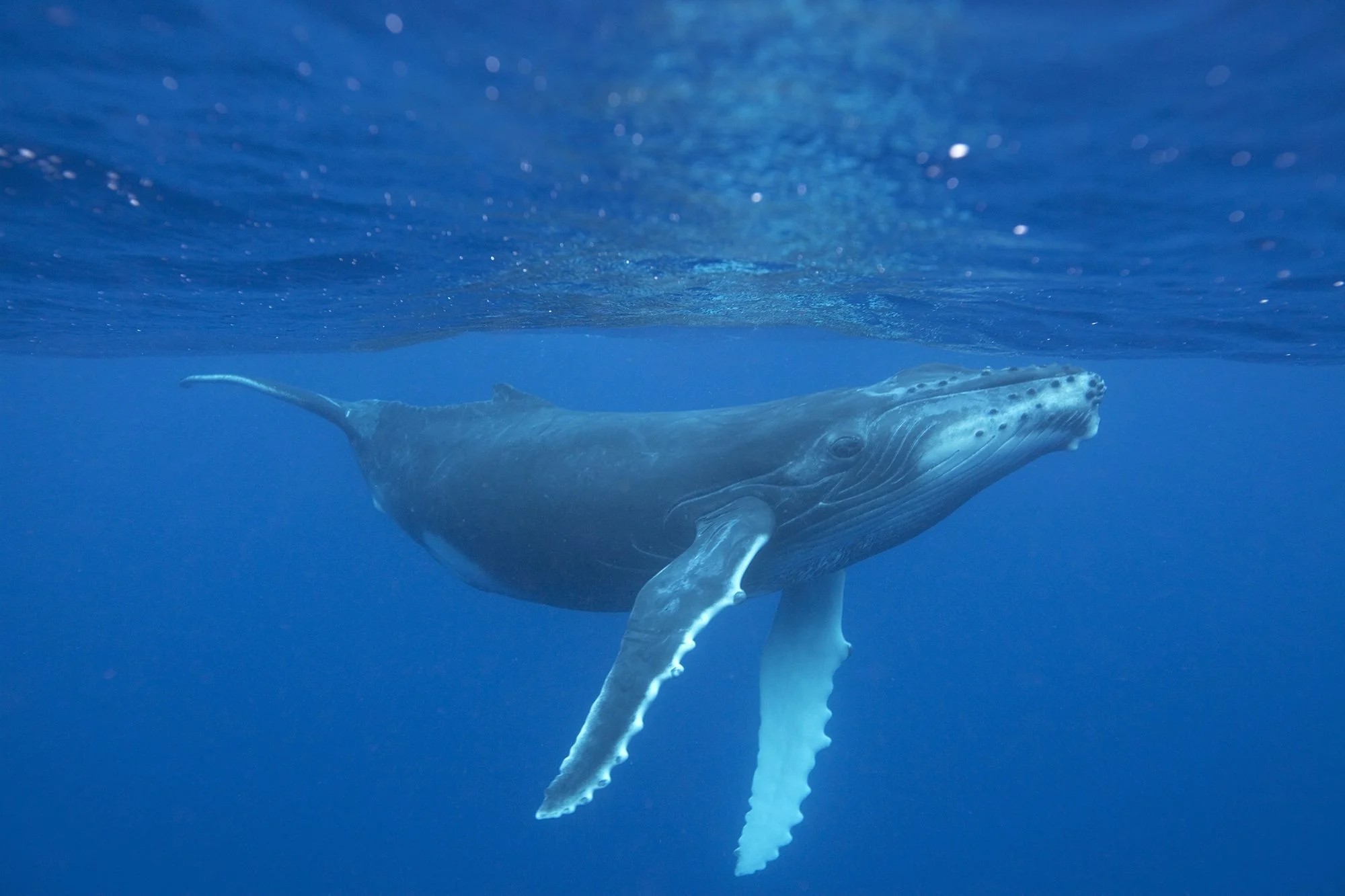
Along parts of the coastline, organised night patrols allow visitors to witness nesting turtles in season, under strict conservation guidelines run by trained local teams. Offshore, humpback whales pass close to the islands between July and October, taking advantage of deep coastal waters created by the volcanic slopes. These marine encounters add another layer to the islands' nature profile.
If you want to learn more about our whales, check out our biggest tourists here.
✦ Culture
Culture and landscape: the human story in the forest
São Tomé's cocoa history adds a cultural dimension to the natural landscape. Old plantations, known as roças, stand across the island in different states of use and repair. Some are partly restored, others are slowly returning to the forest. Travelling between them, visitors see how architecture, agriculture and rainforest overlap in unexpected ways. The contrast between human history and the surrounding environment is one of the defining features of exploring the islands.
✦ Responsible Travel
Travelling responsibly in a fragile environment
Nature is the islands' greatest asset, but also their most fragile. Many endemic species have very small populations and rely on healthy forest. Choosing local guides, supporting conservation-linked activities and travelling slowly all help protect what makes São Tomé special.
São Tomé is a small country with a big sense of place. Its forests, endemic wildlife and layered history offer something few destinations can still provide: nature that feels intact, and the feeling of stepping into a landscape shaped more by time and geology than by tourism.
It earns the African Galápagos nickname not through marketing, but through character. If you are looking for wild rainforest, rare birds and the chance to explore an island that still feels undiscovered, this is the place.
✦ Honest Assessment
Is São Tomé right for you
São Tomé is not a bucket-list trophy or a resort stop. It is a small volcanic island where rainforests, endemic wildlife and lived-in landscapes still come before tourism. The African Galápagos label only really clicks when you are on the ground: walking muddy forest trails, hearing birds you cannot name, watching plantations fade back into green, and realising how few other visitors are around. If you are looking for noise, polish and nightlife, this is the wrong place. If you want a quiet, serious nature destination where the experience still feels unscripted, the islands deliver exactly that.
Ready to explore?
Browse tours, hire a car, or ask us to help plan your itinerary.