Two Centuries of Discovery
The Natural History ofSão Tomé and Príncipe
Remote, volcanic, and teeming with life found nowhere else. These islands have drawn explorers and scientists for over 200 years.
The First Explorers
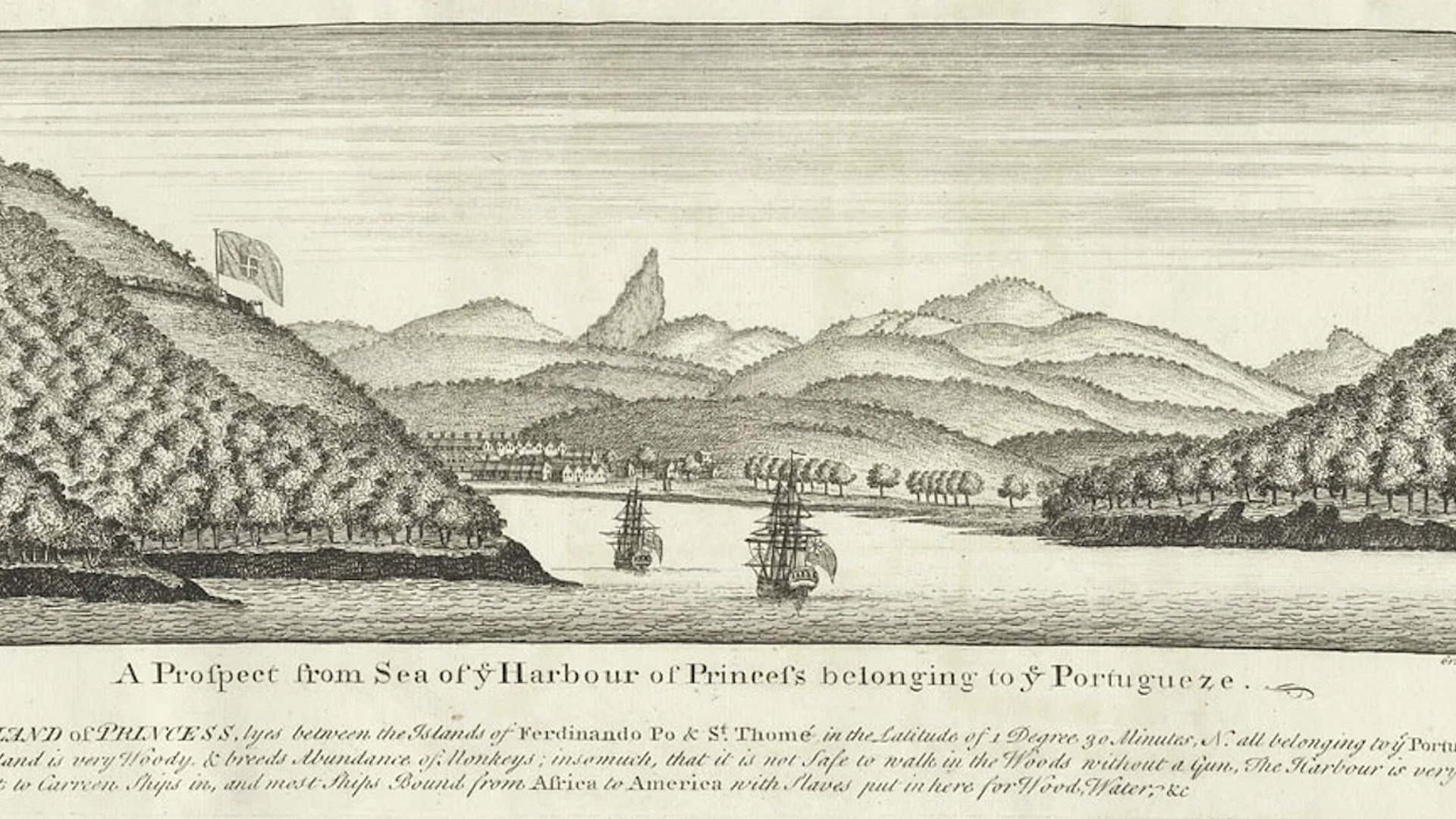
When the earliest European naturalists reached São Tomé and Príncipe in the late eighteenth century, they found species that science had never recorded. The islands were remote, the climate was brutal, and many of those who came did not survive. The Scottish botanist George Don spent three weeks collecting plants on São Tomé in 1822. Every sailor who went ashore with him died of tropical disease after leaving the island. The British naval surgeon Andrew Curror collected specimens on Annobón and Príncipe through the early 1840s before dying of fever off the coast of Gabon. What they brought back, at extraordinary personal cost, were the first pieces of a biological puzzle that scientists are still assembling today.
The Great Expeditions of the Nineteenth Century
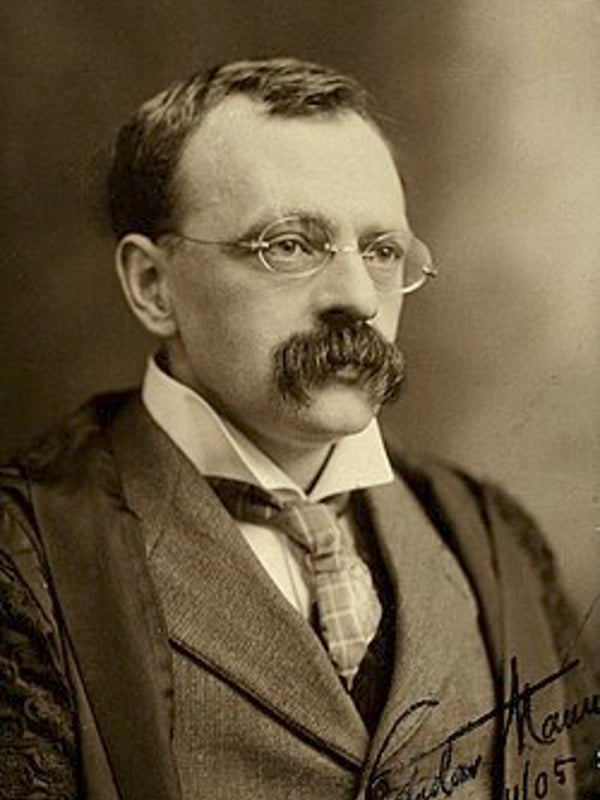
From the mid-1800s, European institutions began commissioning large-scale scientific expeditions to the Gulf of Guinea. The German botanist Gustav Mann reached the summit of Pico de São Tomé in 1861, discovering several species new to science along the way. The Portuguese naturalist Francisco Newton spent a full decade exploring the islands between 1885 and 1895, amassing collections that filled the natural history museums of Lisbon and Coimbra. His work produced the first comprehensive catalogues of the islands' birds, reptiles, amphibians, and mammals, and confirmed what those early collectors had glimpsed: São Tomé and Príncipe held an extraordinary concentration of species found absolutely nowhere else.
The botanical collections grew alongside the zoological ones. The Portuguese botanist Júlio Henriques established the first systematic study of the islands' plant life, coordinating teams of European specialists to identify and describe the specimens flowing back to the university in Coimbra. His work laid the foundation for everything that followed.
Colonial Science and the Plantation Era
Through the first half of the twentieth century, scientific attention shifted toward the colonial economy. Research focused on the crops that dominated the landscape, cocoa, coffee, and quinine, and on the insects, parasites, and diseases that affected both plantations and people. But the cataloguing of wildlife continued alongside it. In 1932, the British Museum sent the botanist Arthur Exell on a four-month expedition across São Tomé, Príncipe, and Annobón. His resulting catalogue of vascular plants, published in 1944, described 36 species new to science and remained the definitive reference for decades.
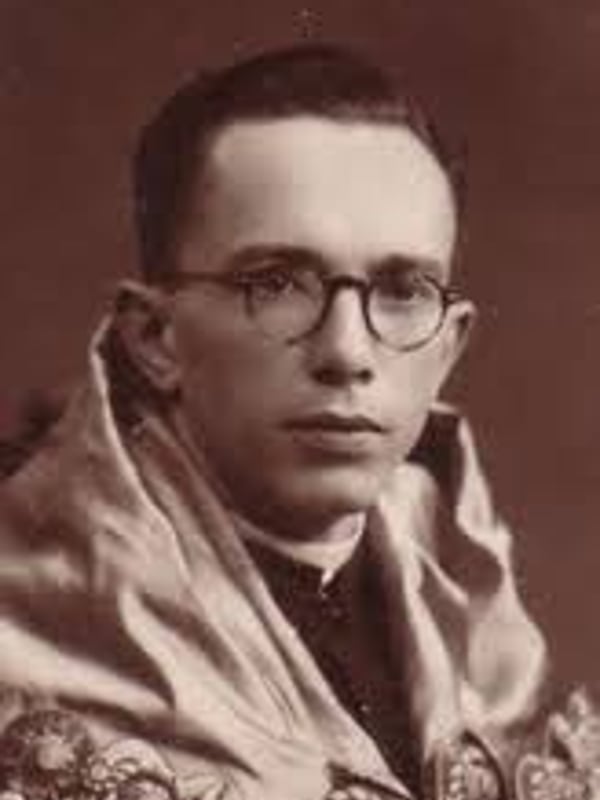
In the 1950s, Portugal launched the Missão Científica de São Tomé e Príncipe, a formal scientific mission that brought zoologists, botanists, and sociologists to the islands. The botanist Arnaldo Rozeira, born on São Tomé and raised in Porto, made the first botanical collections on the summit of Pico do Príncipe, a peak that had barely been accessed before. These expeditions filled the herbaria of Portuguese universities with material that researchers are still studying today.
Independence and Conservation
After São Tomé and Príncipe gained independence from Portugal in 1975, the focus of scientific research shifted dramatically. The new priority was conservation. International organisations began funding surveys of the islands' endemic birds, and the results were startling. In 1989, the São Tomé Grosbeak was rediscovered, 101 years after the last recorded sighting. Expeditions through the 1990s documented the full scale of what the islands held: 57 percent of bird species on São Tomé found nowhere else, 100 percent of amphibians endemic, 15 percent of catalogued plant species unique to the archipelago.
The European Community conservation programme ECOFAC established a presence on the islands, generating new botanical inventories and stimulating interest among Belgian and Portuguese researchers. The Obo National Park was created, protecting the surviving primary forest in the mountainous heart of both islands.
Discovery Continues
The expeditions have not stopped. Since 2001, the California Academy of Sciences has led over a dozen research missions to São Tomé and Príncipe, involving scientists from around the world working across every branch of biology. Modern molecular methods are now being used to study the evolutionary relationships between the islands' species, revealing connections and divergences that earlier generations could only guess at. New species are still being described. Collections from previous centuries are still yielding surprises.
For visitors, this living history of scientific discovery is part of what makes the islands so compelling. The Bom Sucesso Botanical Garden on São Tomé pays tribute to the generations of botanists who documented the flora. The Obo National Park protects the forest where species were first collected two centuries ago. The birdlife that drew ornithologists from London, Lisbon, and Dresden is the same birdlife you can see from the forest trails today.
Continue Exploring
Wildlife and Nature of São Tomé
From endemic birds and ancient reptiles to nesting sea turtles and humpback whales, the natural world here runs deep.