Wildlife
Turtle Watching inSão Tomé
Season, beaches and ethics so you know when to go and what to expect on the island.
Ancient visitors return to shore
São Tomé turtle watching is one of Africa's most intimate wildlife experiences. The island is a major nesting ground for sea turtles, and nights on these beaches feel unfiltered: a dark shoreline, the sound of surf, and the slow arrival of a turtle hauling herself ashore to nest. Nothing is staged and nothing is guaranteed, which is exactly what makes it special.
Species and season
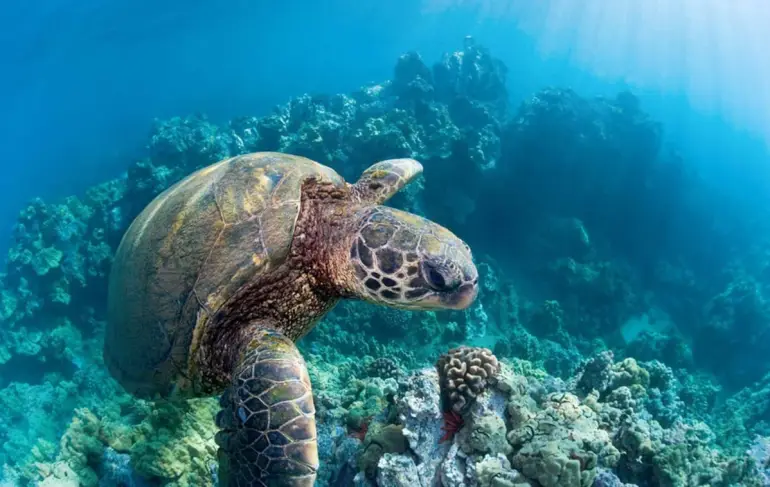
Five sea turtle species occur in São Tomé's waters, and four of them nest on the island's beaches: green, hawksbill, leatherback, and olive ridley. The fifth, the loggerhead, passes through on migration rather than nesting here. All are globally endangered or critically endangered.
The nesting season runs from September to April, with peak activity from November to February. On a good night you may watch a turtle dig her nest chamber, lay her eggs, cover the sand, and return to the ocean in her own time. Activity changes with beach, month, tide, swell, and moonlight, so treat any encounter as a privilege rather than something you can schedule.
Where to go
Praia Jalé
Long, wild, and reliably active
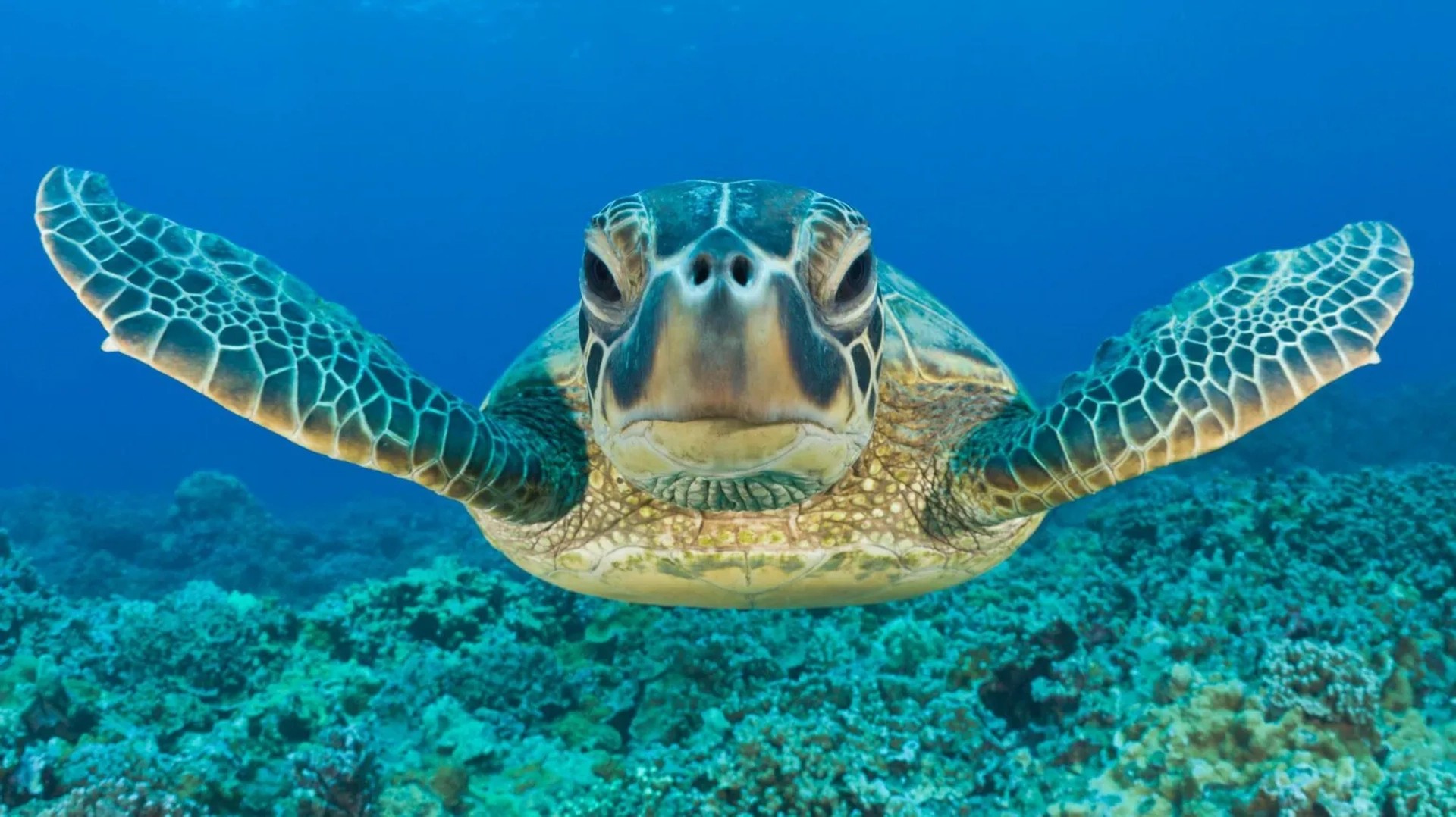
Praia Inhame
Good access through local guides
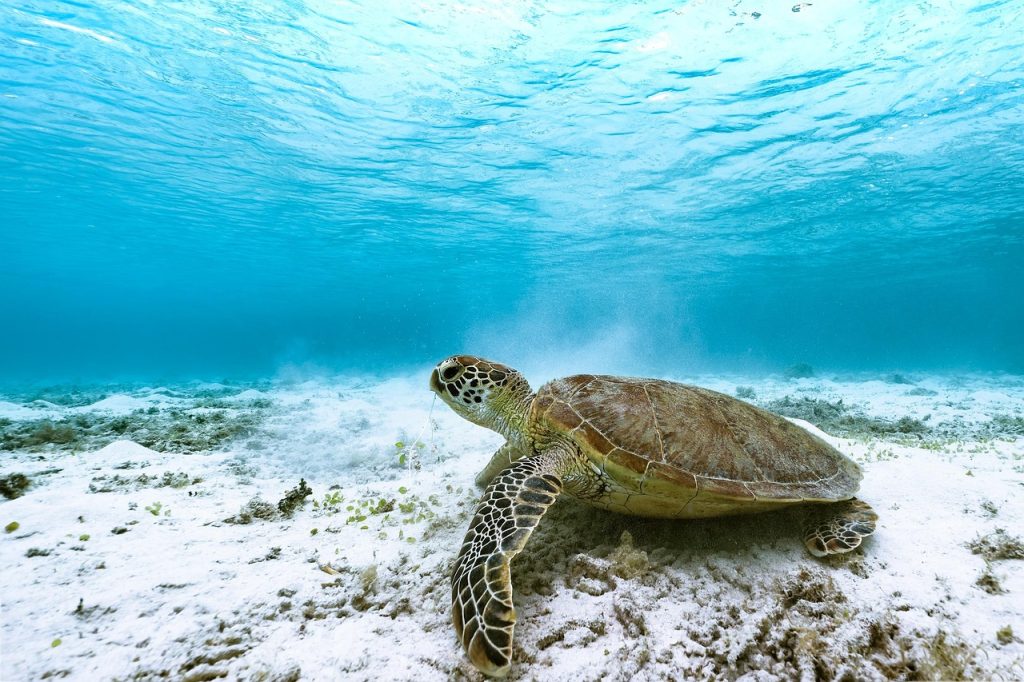
Malanza
Strong nesting zone near the mangroves
The remote southern beaches offer the strongest nesting activity. The best-known sites are Praia Jalé, long, wild, and reliably active; Praia Inhame, with good access through local guides; and Malanza, a strong nesting zone near the mangroves. Aim to arrive after nine o'clock at night, when the beaches are quieter and the turtles feel safer.
Praia Jalé and the leatherbacks
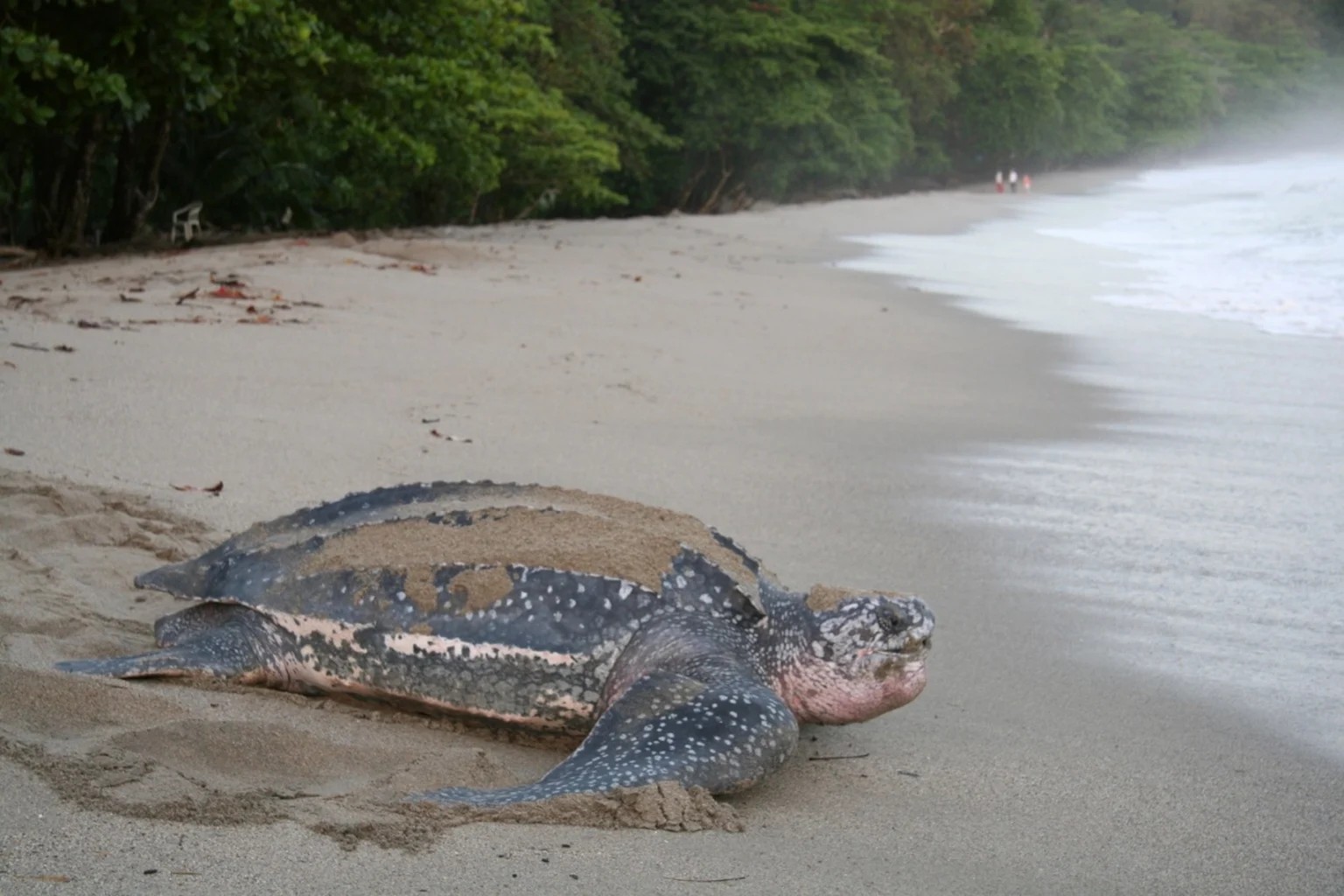
Praia Jalé on the southern coast is recognised as a premier, low-impact site. This remote, dark-sand beach is a crucial nesting area, and in season it stays quiet enough that turtles and visitors share the shoreline in small numbers rather than crowds. During the peak months the leatherbacks are most active, and on suitable nights you may see these reptiles, which can weigh over five hundred kilograms, haul ashore, dig their nest chambers, and lay before returning to the sea.
Night access to Praia Jalé is restricted and organised through local lodges and authorised guides. These excursions control light and group size to keep disturbance minimal, and your fee contributes directly to protecting one of the island's most important nesting beaches.
Ethical turtle watching
Local guides are essential. They manage light, protect nesting mothers, and make sure your visit supports conservation rather than harming it. The core rules:
Use red-light torches only, since white light can disorient turtles, and never use flash photography.
Move slowly and stay quiet.
Keep a respectful distance until egg laying has clearly begun, and never block a turtle's return to the sea.
Allow more than one night, because nature does not follow a set timetable.
Supporting conservation
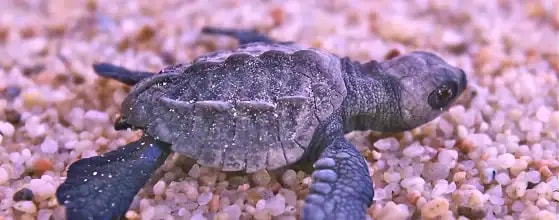
Programa Tatô protects São Tomé's sea turtles through daily beach monitoring, community engagement, and conservation education. Their team monitors dozens of beaches across the island during the nesting season and works to prevent illegal hunting. Many team members are former turtle hunters who now work as conservation leaders, turning traditional practice into long-term protection.
Responsible turtle watching supports this work. Beach lodge fees and guide payments contribute to monitoring and community programmes that have reduced turtle consumption across the island. When you follow the viewing rules and book with ethical operators, you help fund the efforts giving these endangered species a better chance of recovery.
Final thought
São Tomé turtle watching is real wildlife on real beaches. It is unpredictable, often quiet, and shaped entirely by the turtles rather than the visitors. If you come with patience and respect, it becomes one of the strongest reasons to visit São Tomé.
Quick facts
- Season
- September to April, peak November to February
- Species
- Green, hawksbill, leatherback, olive ridley
- Best beaches
- Praia Jalé, Praia Inhame, Malanza
- Arrive
- After 9pm, use red-light torches only